Insights & Updates · Featured Story
WAIC2026: 3 Real AI Trends This Year
After visiting the 2026 World Artificial Intelligence Conference, Xiao An Lao Si found that AI has completely moved beyond conceptual hype and entered an era of practical implementation. Three key words: scenario-specific, embodied, and application-oriented.
After visiting the 2026 World Artificial Intelligence Conference, the biggest takeaway: AI has completely moved beyond conceptual hype and entered an era of practical implementation.
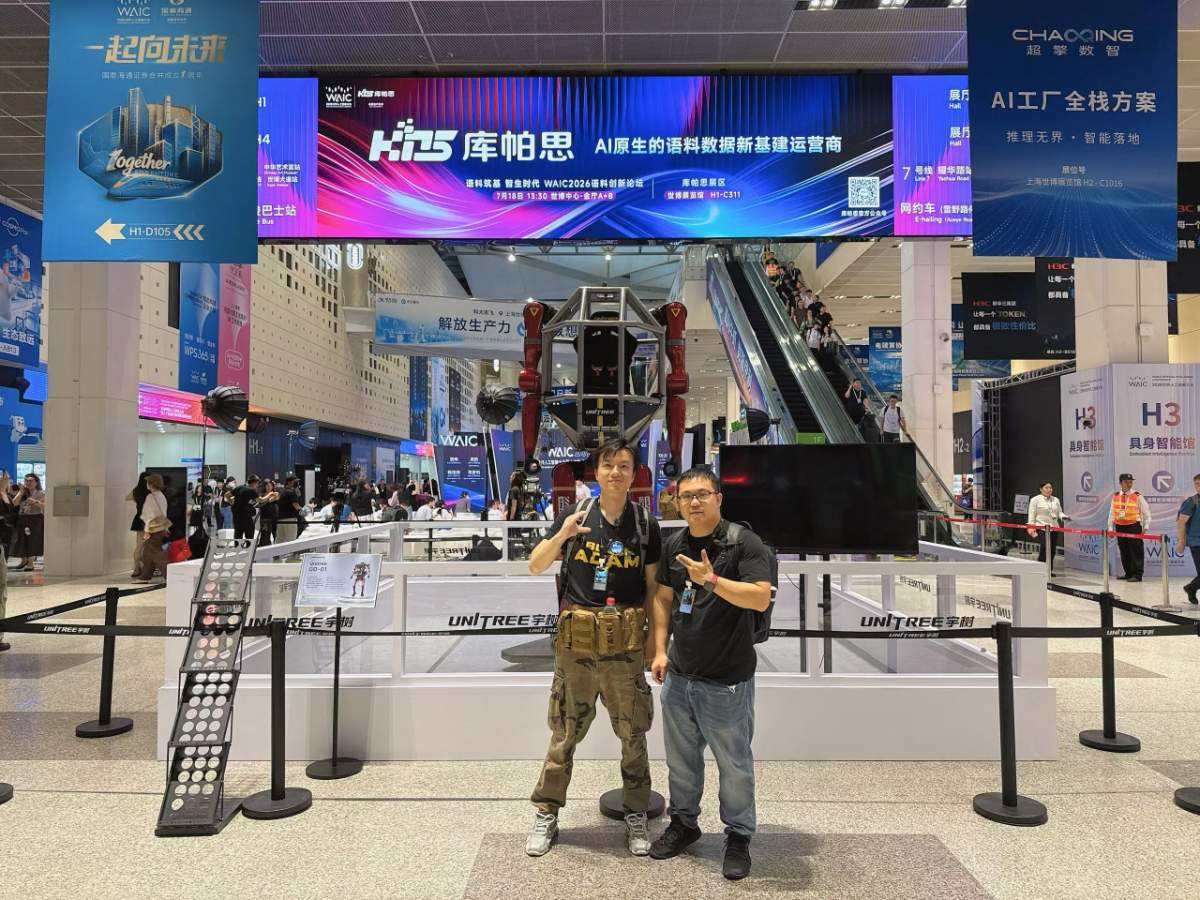
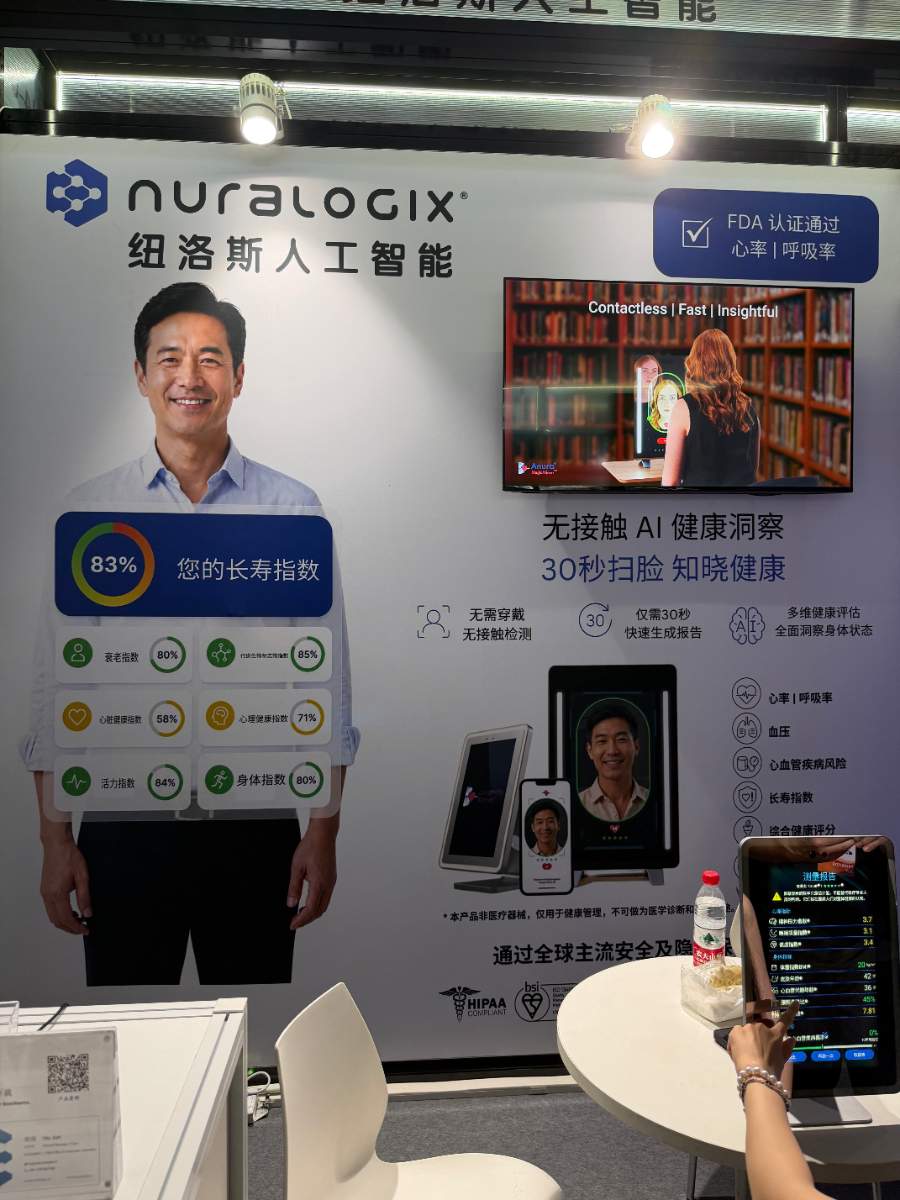
This year's entire exhibition can be summed up in three keywords: scenario-specific, embodied, and application-oriented.
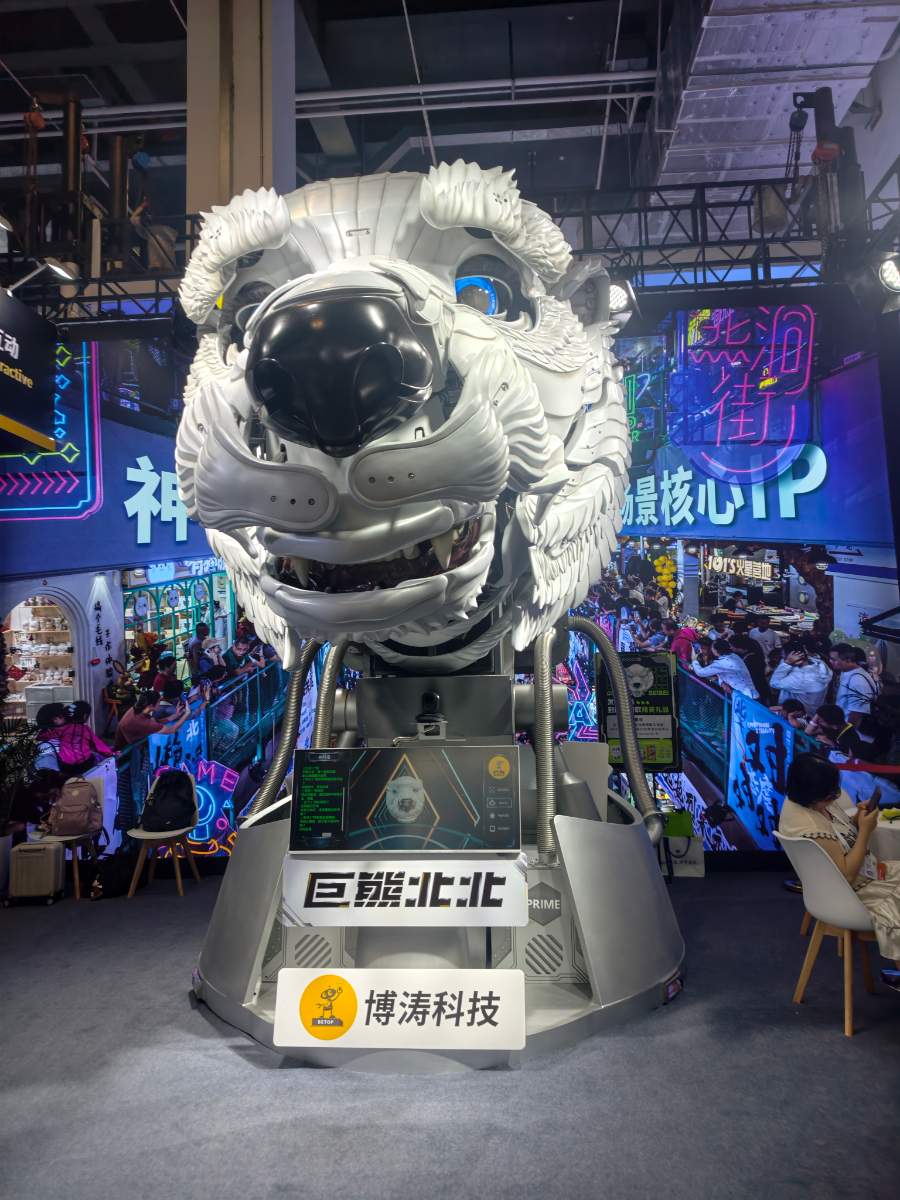
1. Scenario-Specific: General AI Cools Down, Vertical AI Truly Lands
In previous years, everyone competed on large model parameters and benchmark scores. This year, the trend has completely shifted. General large models have become infrastructure, and the industry no longer pursues "universal AI" but rather professional AI tailored to specific sectors. Mature industry models and business agents have emerged in verticals such as manufacturing, government, healthcare, education, and finance. These are no longer flashy demos but are directly embedded into workflows, solving real pain points. Simply put: AI no longer forces businesses to adapt to the model; instead, the model actively adapts to the business.
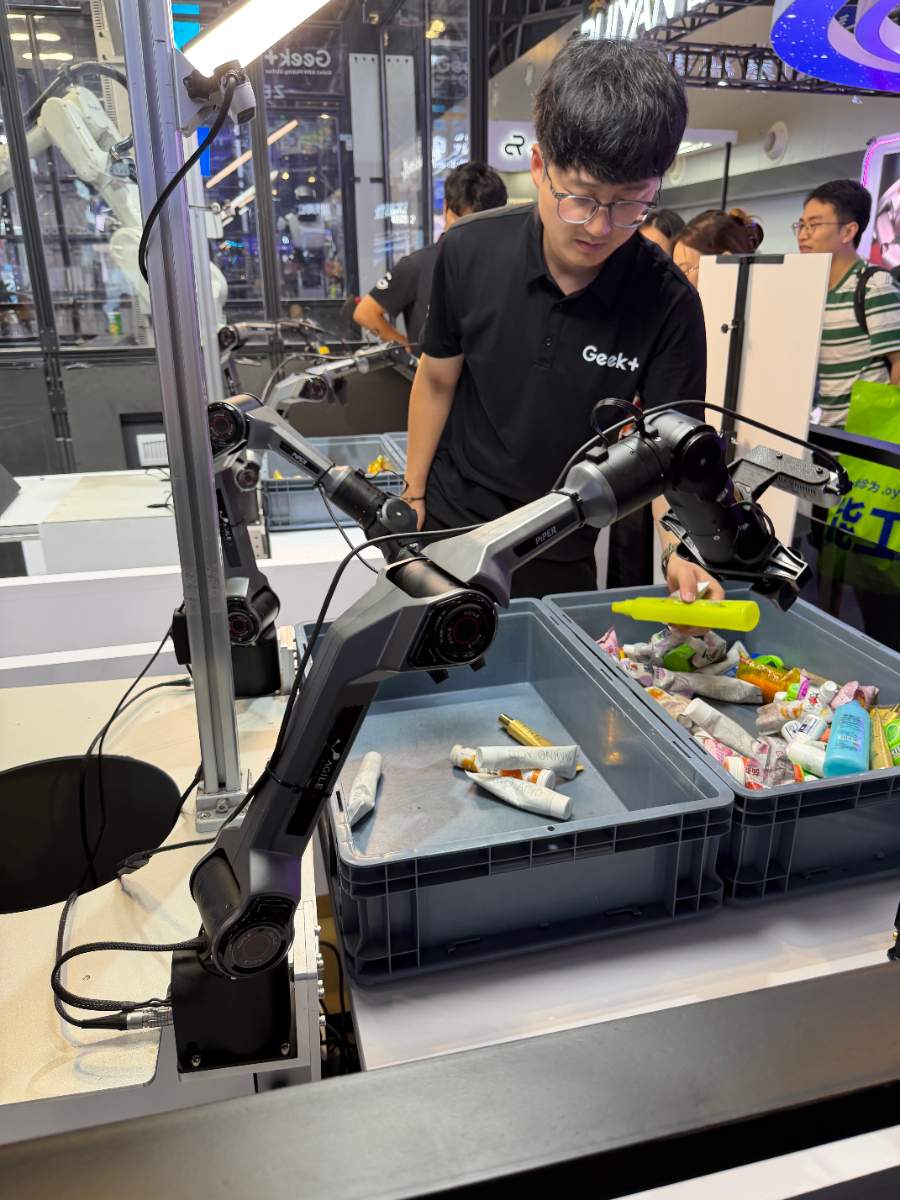
2. Embodied: Robots Move from "Performance" to "Work"
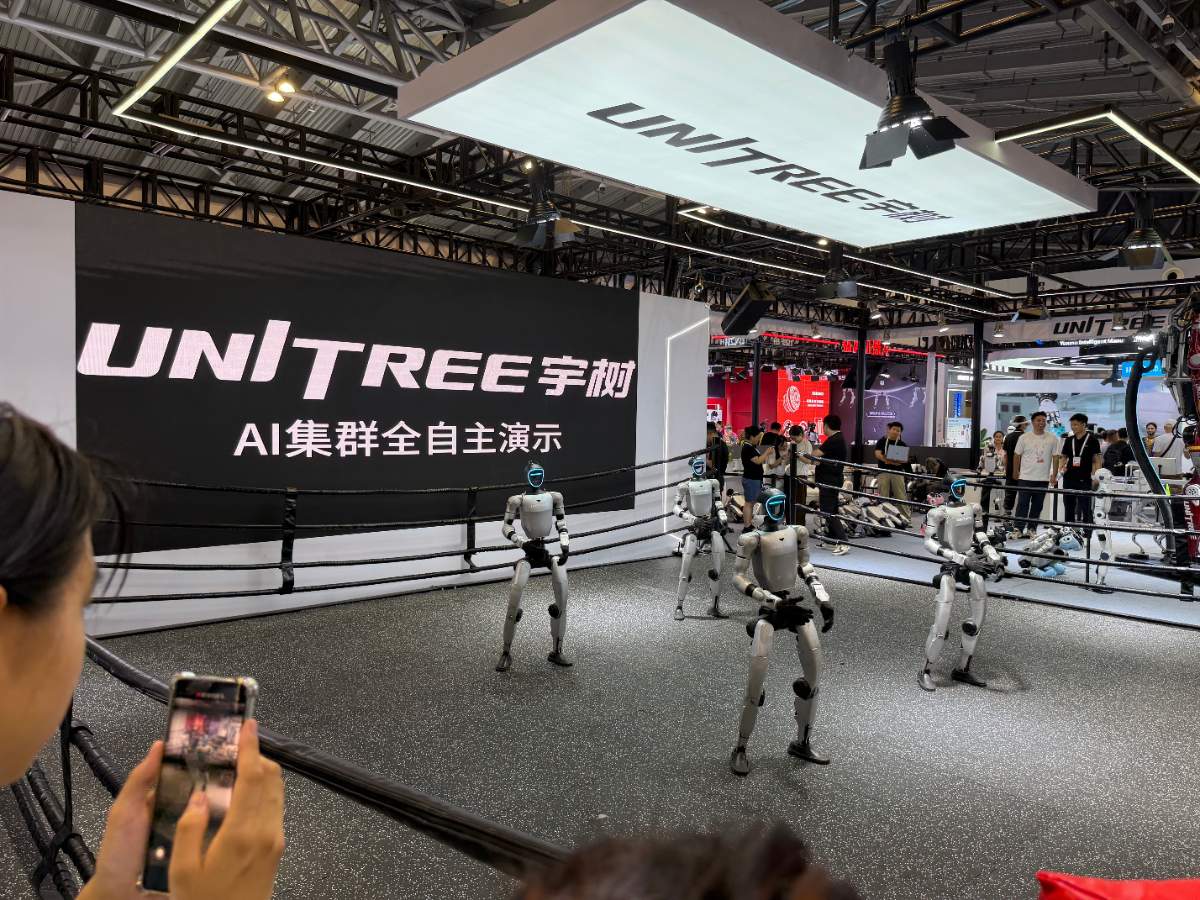
This year, embodied intelligence is the absolute star. The biggest change: humanoid robots are no longer just dancing for show; they have begun to demonstrate real operational capabilities. Leveraging world models and edge perception, robots can autonomously recognize environments, plan actions, and complete continuous complex tasks. Industrial inspection, warehouse sorting, special operations, and commercial service applications have already reached a mature stage. 2026 is truly the year embodied intelligence moves from prototype to mass production.
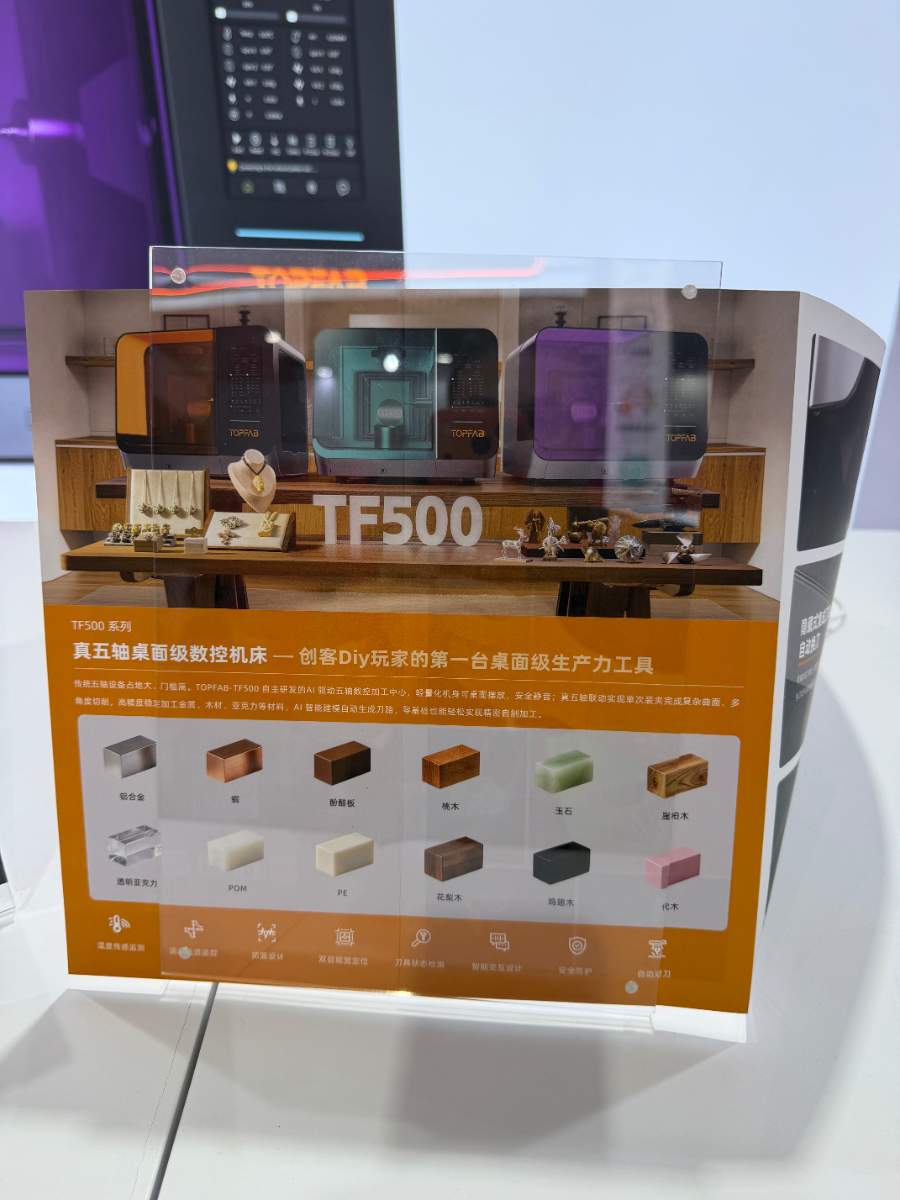
3. Application-Oriented: AI Transforms from "Tool" to "Universal Necessity"
The most intuitive feeling: the barrier to AI has significantly lowered. It's no longer something only big tech companies can afford; ordinary businesses and individuals can directly use mature AI applications. Office agents, edge AI, in-vehicle intelligence, and lightweight computing solutions are now widely adopted. AI is no longer a lofty technology but a universal productivity tool permeating offices, daily life, and industries, with adoption speed far exceeding expectations.
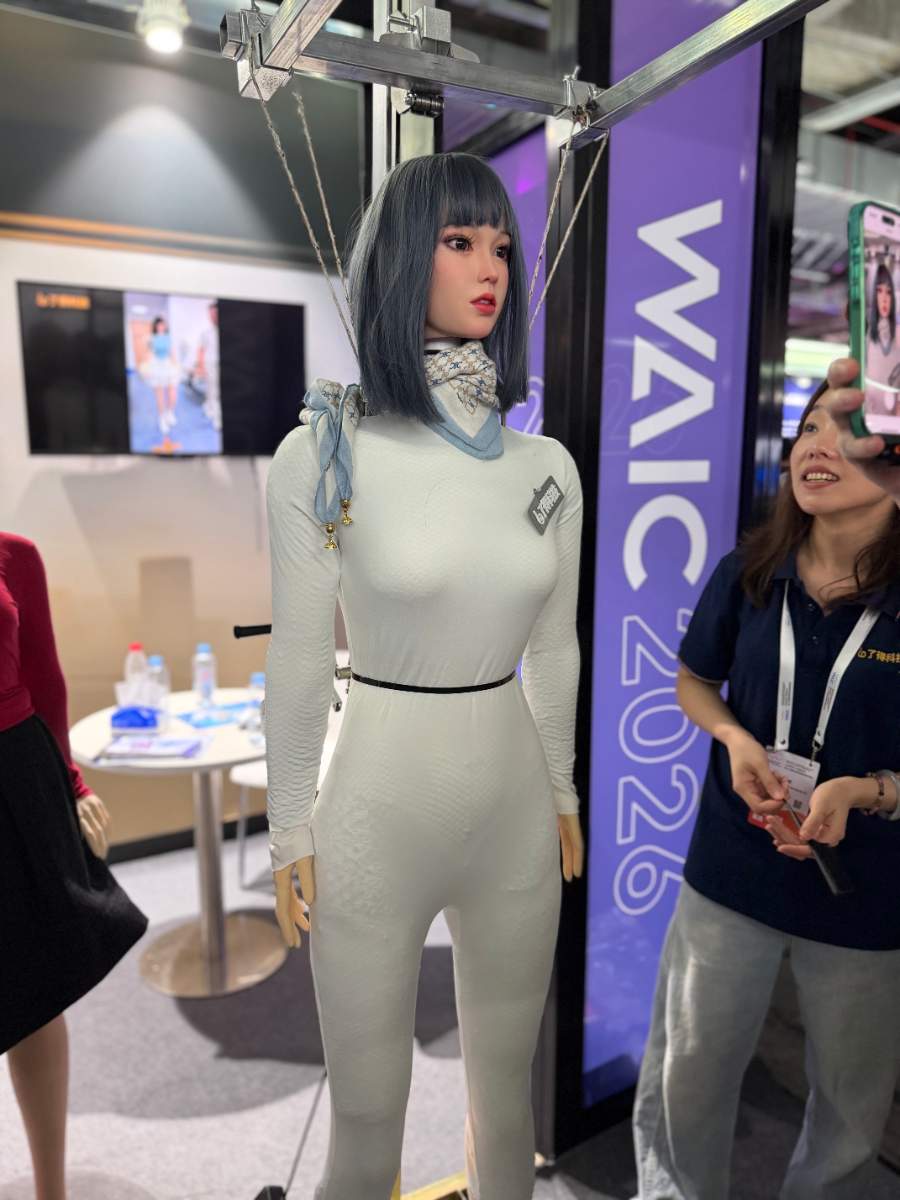
Summary
The clearest signal from WAIC2026: the AI industry is debubbling, emphasizing scenarios, hardware, and implementation. The future competition is no longer about technical gimmicks but about who can truly solve industry problems and deliver real applications.
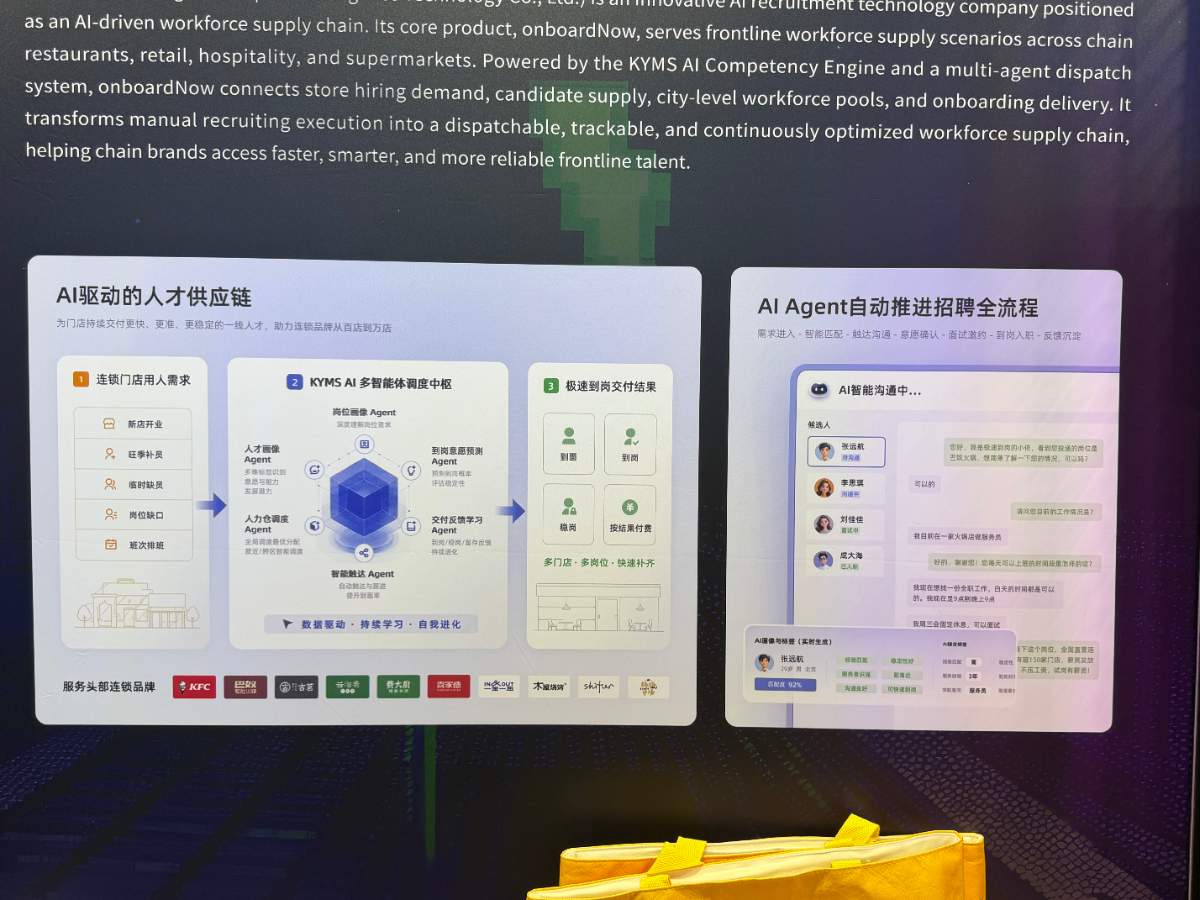
- Source: Xiao An Lao Si
- For more AI implementation insights, stay tuned.